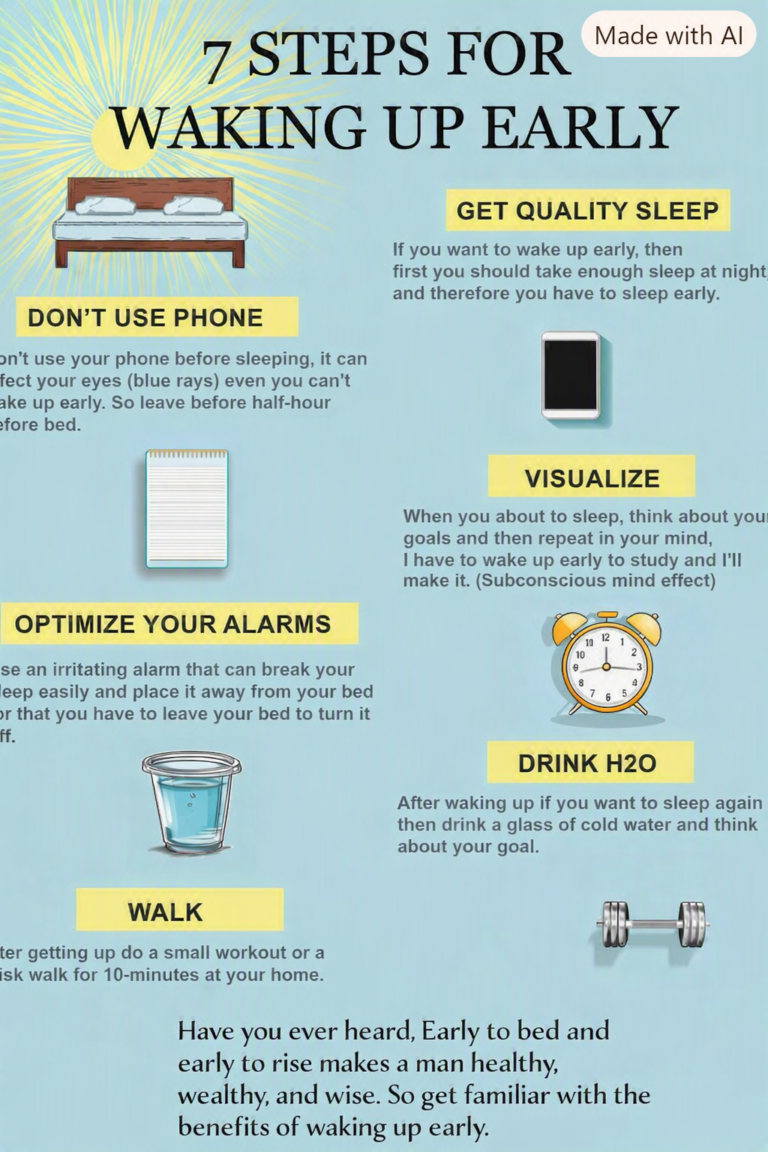
Waking up early has scientifically proven benefits: it improves metabolism, mental health, and disease prevention by aligning your body with natural circadian rhythms. Studies show early risers enjoy better blood sugar control, lower risk of depression, and enhanced productivity.🌅 Scientific Benefits of Waking Up Early1. Hormonal & Biological BoostCortisol Awakening Response (CAR): Within 30–60 minutes of waking, cortisol levels rise by ~50%, preparing the body for energy, focus, and social interaction. This response is strongest when waking between 6:00–7:30 a.m.Better Circadian Alignment: Early rising syncs with your body’s natural rhythms, reducing grogginess compared to waking at irregular times.2. Metabolic AdvantagesImproved Blood Sugar Control: At 8 a.m., glucose tolerance is significantly better than at 8 p.m. (average blood sugar 7.11 mmol/L vs. 10.34 mmol/L). Early risers eat during this “metabolic sweet spot,” lowering risks of weight gain and type 2 diabetes.Enhanced Insulin Sensitivity: Muscles respond more efficiently to insulin in the morning, helping clear sugar from the bloodstream faster.3. Mental Health BenefitsLower Risk of Depression: A genetic study found that waking just 1 hour earlier reduces depression risk by 23%.Morning Light Exposure: Early sunlight boosts serotonin, improving mood, focus, and calmness. It also resets melatonin cycles, leading to better sleep at night.Positive Mood & Happiness: Morning-oriented individuals consistently report higher well-being compared to night owls.4. Disease PreventionReduced Risk of Type 2 Diabetes: University of Pittsburgh research links early rising with lower disease risk, showing protective effects against metabolic disorders.Better Cardiovascular Health: Early risers often have healthier circadian heart rate patterns, which correlate with reduced disease risks.📊 Quick ComparisonBenefitEarly Rising (6–7:30 a.m.)Late Rising (After 9 a.m.)Cortisol SurgeStrong, energizingWeak or absentGlucose ControlEfficient, lower blood sugarPoor, higher blood sugarMental HealthLower depression risk, better moodHigher risk of depressionSleep QualityBetter melatonin cycleDisrupted sleep cycleDisease RiskLower risk of diabetes, obesityHigher risk of metabolic disorders⚠️ Important CaveatChronotype Matters: If your body is naturally wired as a night owl, forcing early wake-ups may cause fatigue and stress. The benefits are strongest when early rising matches your natural biology.Consistency is Key: Irregular sleep schedules (e.g., waking early only some days)
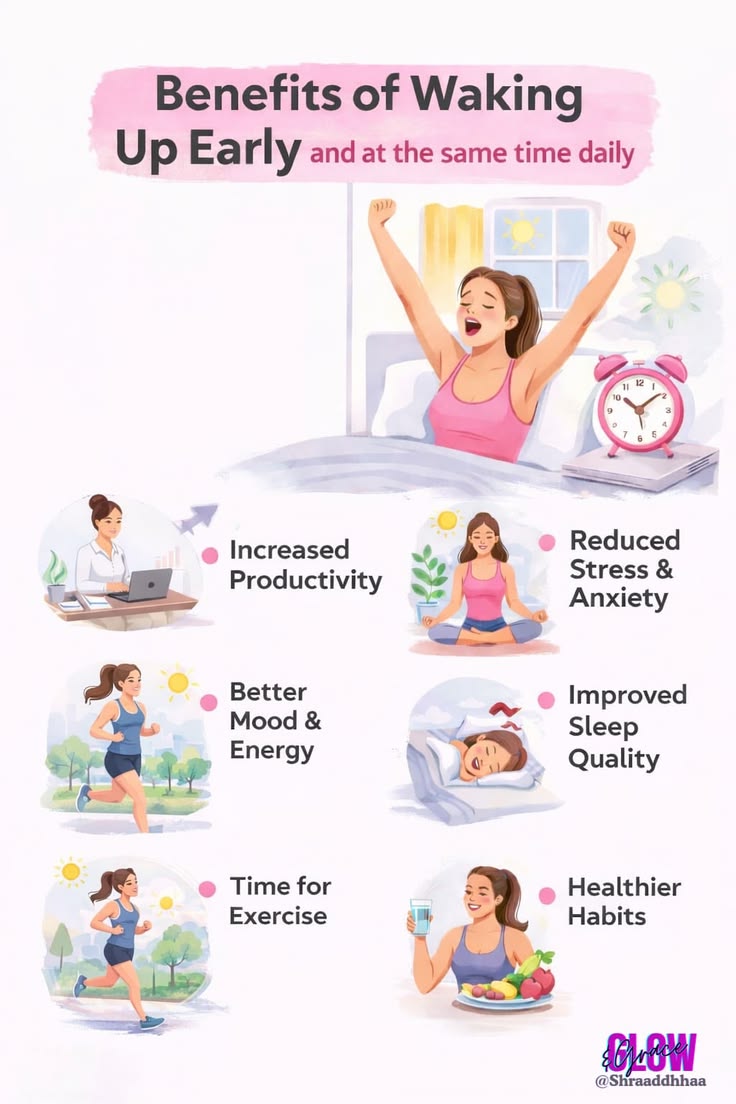
Waking up early can significantly improve mental health by aligning your body with natural circadian rhythms, boosting serotonin production through morning light exposure, and reducing the risk of depression by up to 23–40% according to large genetic studies. However, the benefits are strongest when early rising matches your natural chronotype (morning vs. night person). How Waking Up Early Supports Mental Health1. Reduced Risk of DepressionA JAMA Psychiatry study (2021) found that waking one hour earlier than your genetic baseline lowered depression risk by 23%, and two hours earlier lowered it by 40%.This effect was independent of sleep duration, meaning timing itself matters.2. Morning Light & Serotonin BoostSerotonin, the neurotransmitter linked to mood stability and happiness, is produced in response to daylight.Early morning light exposure produces the highest serotonin output, setting a positive emotional baseline for the day.This cycle also helps melatonin (sleep hormone) production at night, improving sleep quality and reducing anxiety.3. Better Emotional RegulationEarly risers often report higher levels of happiness and positive mood compared to night owls.Morning-oriented individuals show greater emotional resilience, partly because their circadian clock supports stable mood regulation.4. Consistency Matters More Than ExtremesResearch shows that consistent sleep timing (going to bed and waking at the same time daily) is more important than arbitrarily waking at 5 a.m.Forcing night owls to wake early can cause social jetlag, leading to fatigue and stress. Aligning wake times with your natural chronotype is key. Comparison: Early vs. Late RisingFactorEarly Rising (6–7:30 a.m.)Late Rising (After 9 a.m.)Depression RiskLower (23–40% reduction)HigherSerotonin ProductionStrong morning boostDelayed, weakerEmotional StabilityGreater resilience, positive moodMore anxiety, lower happinessSleep QualityBetter melatonin cycleDisrupted sleep cycleProductivityHigher focus, calmer morningsMore stress, rushed mornings Caveats & RisksChronotype sensitivity: Night owls may experience stress if forced into early rising.Consistency is critical: Irregular wake times reduce benefits.Lifestyle integration: Benefits are maximized when combined with morning exercise, journaling, or meditation, not just waking early. Takeaway for You (Saniya): As a student balancing coursework and Velvetine Shades, waking up early can give you a serotonin boost, sharper focus, and lower stress
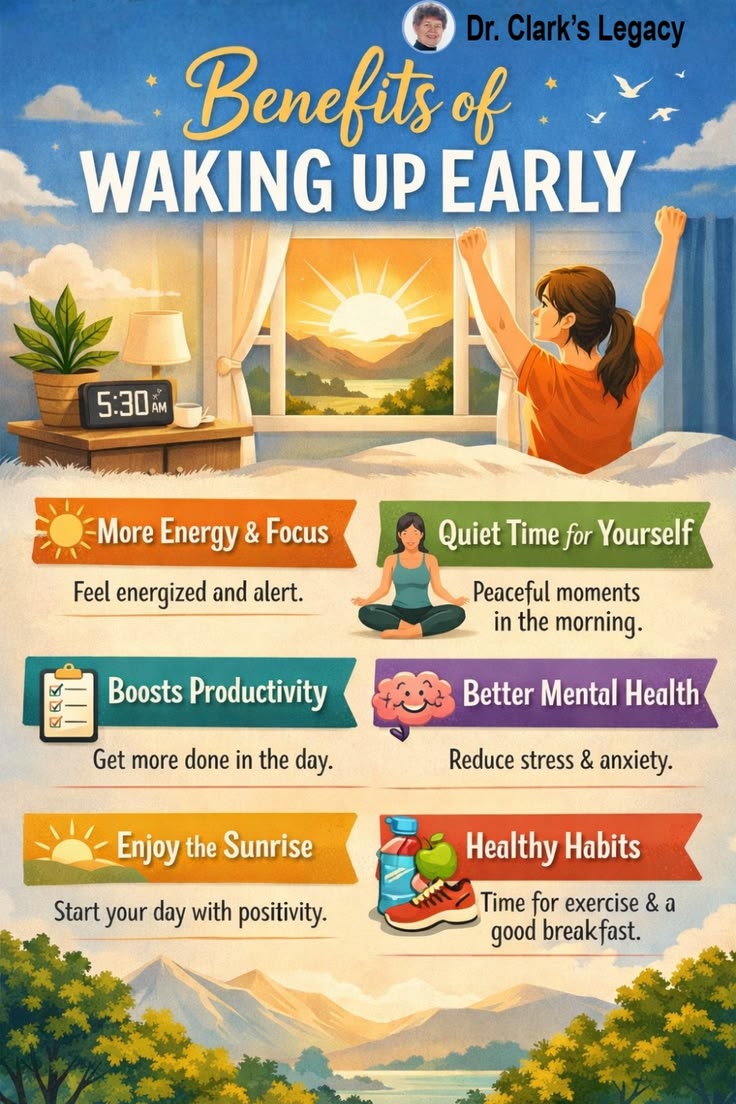
Getting better sleep at night is about creating a routine that supports both your body and mind. Start by setting a consistent bedtime and wake‑up schedule—even on weekends—so your internal clock stays balanced. A calming pre‑sleep ritual helps signal to your brain that it’s time to rest: dim the lights, avoid screens at least 30 minutes before bed, and replace scrolling with soothing activities like reading, journaling, or meditation. Your sleep environment matters too; keep your bedroom cool, dark, and quiet, and invest in comfortable bedding that promotes relaxation. Nutrition plays a role—avoid heavy meals, caffeine, and sugar late in the evening, and instead opt for light snacks or herbal teas that encourage rest. Physical activity during the day can improve sleep quality, but try not to exercise too close to bedtime. Managing stress is equally important; practicing mindfulness or gratitude before bed can ease mental tension and prepare you for deeper sleep. Exposure to natural light in the morning and reduced artificial light at night helps regulate your circadian rhythm, making it easier to fall asleep naturally. Finally, be patient with yourself—sleep habits take time to build, and occasional restless nights are normal. By combining consistency, relaxation, and healthy lifestyle choices,